

The Allure of Gambling: Understanding Motivation
The allure of gambling in casinos can be attributed to a complex interplay of psychological factors. Many individuals are drawn to the thrill of winning, which taps into their desire for instant gratification. The prospect of substantial financial rewards evokes an adrenaline rush that is both exhilarating and potentially addictive. This excitement is often amplified by the carefully crafted ambiance of casinos, designed to evoke feelings of anticipation and elation. For instance, platforms like 1win enhance the vibrant colors, flashing lights, and engaging sounds create an atmosphere where it is easy for gamblers to lose track of both time and money.
Motivation for gambling extends beyond just financial gain. Social interaction plays a significant role, as casinos are often bustling with individuals who share a common interest in games of chance. This communal aspect fosters a sense of belonging, making gambling experiences richer and more enjoyable. Additionally, some individuals resort to gambling as a coping mechanism, using it to escape from stress, anxiety, or other emotional challenges encountered in their daily lives. This blend of thrill, social engagement, and emotional relief forms a compelling incentive to engage in gambling activities.
Psychologically, the act of gambling activates the brain’s reward system, leading to the release of dopamine—the neurotransmitter associated with pleasure. This biochemical response reinforces the behavior, making individuals more likely to return to the casino in search of that same euphoric high. Thus, while the allure of gambling may vary from person to person, it often encompasses a blend of excitement, social interaction, and emotional escape that can be difficult to resist.
The Role of Cognitive Biases in Gambling
Cognitive biases significantly influence gambling behavior, leading individuals to hold misconceptions about luck and probability. One prevalent bias is the illusion of control, where gamblers mistakenly believe that they can influence the outcomes of games of chance, such as slot machines or roulette. This belief can create a false sense of security, making them more likely to place bets, even in the face of losing streaks. Understanding how cognitive biases operate can shed light on why many gamblers continue to play even when the odds are not in their favor.
Another common cognitive distortion is the gambler’s fallacy, where individuals assume that past events can affect future outcomes in independent games. For example, if a roulette wheel has landed on red multiple times, a gambler may incorrectly believe that black is “due” to occur next. This flawed reasoning can lead to increased wagers as gamblers chase perceived “lost” bets, further entrenching them in a cycle of gambling. Such cognitive biases highlight the irrationalities present in gambling environments, contributing to continued engagement despite adverse consequences.
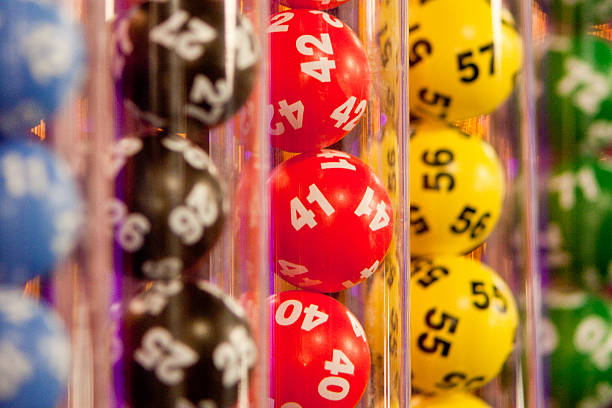
These cognitive distortions are often exacerbated by the design of casino games and environments. The sensory overload created by flashing lights, celebratory sounds, and the presence of other excited gamblers can cloud rational decision-making. This meticulously curated atmosphere encourages frequent play, as cognitive biases lead individuals to believe they have a better chance of winning than they do. Recognizing these biases is crucial in understanding the psychological mechanisms that keep gamblers returning to casinos, often against their better judgment.
The Emotional Rollercoaster of Gambling
The emotional journey of a gambler can be compared to a rollercoaster, filled with exhilarating highs and devastating lows that shape their experiences. Winning can result in feelings of euphoria, significantly boosting confidence and leading gamblers to believe they possess skills that enhance their chances of success. Conversely, experiencing losses can evoke deep frustration and disappointment. This emotional dichotomy can lead to erratic behavior, where gamblers chase their losses, driven by a desperate hope for recovery and a return to that euphoric state.
Moreover, the emotional aspect of gambling is intertwined with elements of escapism and thrill-seeking. For many, the casino becomes a refuge from the pressures of everyday life, offering a temporary escape into a world filled with excitement that contrasts sharply with their mundane reality. This escapism can become problematic when it transforms into compulsive gambling, where individuals prioritize gambling over personal relationships, responsibilities, and even their financial security. The allure of escaping into this emotional whirlwind can heighten the addictive nature of gambling.
Additionally, emotions play a critical role in decision-making processes within gambling contexts. Research indicates that emotions can cloud judgment, leading individuals to make impulsive choices rather than rational ones. For instance, after a significant loss, a gambler may decide to double their bets in an attempt to recover lost funds, despite the heightened risk of losing even more. This emotional volatility underscores the complexity of gambling behavior and illustrates the necessity for emotional regulation in responsible gambling practices.
The Impact of the Casino Environment on Behavior
The physical environment of casinos is meticulously designed to enhance the gambling experience, significantly impacting player behavior. Features such as dim lighting, captivating sounds, and the absence of clocks contribute to an immersive atmosphere that keeps gamblers engaged. This environment encourages individuals to lose track of time and, in some cases, rational thought, creating a conducive space for extended gambling sessions. The design of games themselves, with enticing visuals and immediate feedback, further amplifies this effect, drawing players into a continuous cycle of play.

Another important aspect of the casino environment is its social nature. Many casinos feature bars and restaurants, allowing players to socialize while they gamble. This combination of social interaction and gaming creates an environment that can amplify both the excitement and the risks associated with gambling. Camaraderie often experienced in such settings can lead to a normalization of excessive gambling, as individuals may feel more validated in their choices when surrounded by peers engaging in similar behavior.
Furthermore, the availability of complimentary perks, or “comps,” such as free drinks and meals, can encourage patrons to stay longer and gamble more. These incentives create a sense of loyalty and can obscure the rational financial implications of continued gambling. The marketing strategies employed by casinos, which often focus on highlighting wins and success stories, perpetuate the myth that anyone can achieve similar outcomes. This manipulation of perception can lead individuals to view gambling as a viable means of entertainment or income, further complicating their relationship with gambling.
Responsible Gambling and Awareness
Given the psychological complexities involved in gambling, promoting responsible gambling practices is imperative. Awareness of cognitive biases and emotional influences can empower individuals to make informed decisions about their gambling activities. Educational initiatives aimed at increasing understanding of the risks associated with gambling and the psychological mechanisms at play can foster a more responsible gambling culture. By providing resources and support, individuals can learn to recognize their triggers and develop healthier approaches to gambling.
Furthermore, understanding the characteristics of a responsible gambler is essential in combating compulsive gambling. Individuals should be encouraged to establish limits on their gambling activities, both in terms of time and money. This proactive approach can help mitigate the emotional rollercoaster often associated with gambling, allowing individuals to enjoy the experience without falling victim to its potential harms. Regular self-assessment and reflection on one’s gambling patterns can serve as a valuable tool in maintaining control and ensuring a balanced approach.
Ultimately, promoting awareness about responsible gambling is not solely the responsibility of individuals; it is also a duty of the casino industry. Casinos can implement measures to support responsible gambling, such as providing information about resources for help, creating awareness campaigns, and designing gaming environments that encourage moderation. By fostering a culture of responsibility, the gambling community can contribute to healthier outcomes for individuals and society as a whole, ensuring that the thrill of gambling does not overshadow the importance of responsible behavior.
