

Understanding the Role of Luck
Luck is a fundamental aspect of casino games, often dictating outcomes in ways that can seem both random and unpredictable. Many games, such as slot machines, rely almost entirely on chance, employing random number generators to determine results. This inherent randomness means that players can experience extreme fluctuations in success and failure, often independent of their skill level. In these scenarios, luck plays a dominant role, where the probability of achieving a win, such as hitting a jackpot, can be as low as one in several million, and many turn to the best betting sites australia to enhance their gaming experience, leaving players at the mercy of fate.
Even in games where skill appears more significant, luck frequently intervenes to create substantial influence. Take poker, for instance; while a player’s ability to read opponents and calculate odds is crucial, their success can be dramatically impacted by the cards they are dealt. A bad hand can lead even the most skilled players to defeat, illustrating how luck can overshadow skill at critical moments. This unpredictability is what makes gambling both exhilarating and frustrating, as fortunes can change in an instant based on factors entirely beyond the player’s control.
Despite luck’s omnipresence in casino games, its role is often misconstrued. Many players mistakenly believe that consistent success is solely a result of skill; however, the unpredictable nature of chance means that even the most experienced gamblers can encounter losing streaks due to bad luck. Therefore, it’s vital to recognize that while skill can enhance a player’s chances in specific games, luck remains a crucial element in the overall gambling experience, shaping not just the outcomes but also the thrill of the game itself.
The Influence of Skill in Casino Games
In contrast to chance-based games, skill-based games such as blackjack and poker allow players to employ strategy and decision-making to significantly influence outcomes. For instance, in blackjack, players can learn basic strategies—such as knowing when to hit, stand, double down, or split—to reduce the house edge. By applying these strategies effectively, skilled players can minimize the impact of luck and improve their overall expected winnings. This ability to manipulate risk and reward showcases how skill can play a pivotal role in determining a player’s success.
Poker exemplifies the importance of skill even further, as experienced players not only understand the odds but also excel at reading their opponents. The ability to bluff effectively, manage pot sizes, and recognize tells can dramatically alter the game dynamics, turning the tide in a contest where luck may initially seem to dominate. This capacity to influence outcomes through knowledge, experience, and strategic thinking illustrates that while luck is an influential factor, skill can decidedly tip the balance in favor of the player.
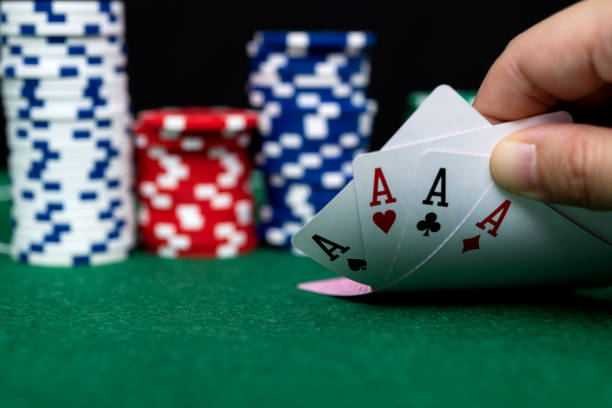
However, the effectiveness of skill in casino games varies depending on the context and individual capabilities. Even highly skilled players encounter situations where luck prevails, rendering their expertise insufficient for consistent wins. Thus, while players can hone their abilities to enhance performance in skill-based games, they must also acknowledge the role of chance and be prepared for unexpected outcomes during their gaming endeavors. This dual awareness can foster a more balanced and realistic approach to gambling.
The Balance Between Skill and Luck
The interaction between skill and luck creates a complex landscape in casino games that captivates players. Some games are more conducive to skillful play than others; for example, while games like roulette hinge purely on luck, poker provides opportunities for players to apply their skills strategically. This variability allows players to select games that align with their strengths and preferences, imparting a sense of control in an otherwise chance-driven environment that can sometimes feel overwhelming.
Furthermore, casinos capitalize on this delicate balance by offering a variety of games catering to different player types. High-stakes poker tables attract seasoned players eager to leverage their skills against less experienced opponents, while casual players may be drawn to slot machines, where luck predominates. Understanding this balance empowers players to make informed choices about the games they engage in, enhancing their overall gambling experience and satisfaction.
The relationship between skill and luck is not merely theoretical; it carries real-world implications for serious gamblers. Many professional players invest significant time studying and practicing their craft to mitigate the impact of luck. They develop strategies, analyze statistical data, and learn effective bankroll management techniques. However, they also accept that no matter how skilled they become, luck can play a devastating role in their outcomes. This acceptance cultivates a balanced perspective on gambling, allowing players to enjoy the thrill while recognizing the greater forces at play.
The Psychological Aspect of Gambling
The psychological dimensions of gambling significantly influence how players perceive luck and skill in casino games. Many gamblers fall prey to cognitive biases, such as the gambler’s fallacy, which leads them to believe that past outcomes can influence future results in purely random games. This misconception can foster a false sense of control, causing players to overestimate their skills when, in fact, luck primarily drives results in certain games, particularly those devoid of strategic elements.
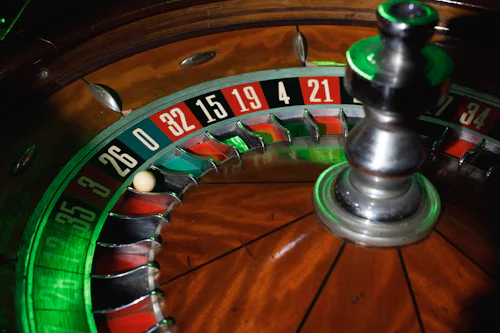
Moreover, the emotional highs and lows associated with gambling can cloud judgment and lead to detrimental decision-making. Players may experience a phenomenon known as “tilt,” where frustration or excitement from prior rounds prompts impulsive decisions that disregard their skill base. This psychological interplay profoundly affects how luck and skill manifest in real gaming scenarios, often overshadowing rational thought and strategy. Recognizing this can be key to maintaining a healthy approach to gambling.
To achieve success in gambling, players must develop not only their skills but also their psychological resilience. Being aware of their biases and emotions can help mitigate negative effects and foster more effective gameplay. Acknowledging the role of luck can cultivate a healthier gambling mindset, focusing on enjoyment rather than obsession with winning. This psychological awareness is essential for navigating the unpredictable nature of casino games, allowing players to embrace the experience rather than simply chasing outcomes.
Conclusion on Casino Gaming
In conclusion, the interplay of skill and luck in casino games creates a dynamic environment that is both thrilling and unpredictable. While luck plays a significant role in determining short-term outcomes, skill can profoundly influence long-term results, particularly in games where strategic thinking is essential. Understanding how these elements interact can empower players to make informed decisions about their gaming experiences, whether they opt to rely on sheer luck or invest time in honing their skills.
While players may aspire to minimize the impact of luck through skill, it is crucial to maintain realistic expectations. The nature of gambling inherently includes an element of chance, and even the most skilled players can experience losses due to luck. Embracing this reality fosters a more enjoyable and sustainable approach to gaming, emphasizing the thrill of participation rather than a singular focus on winning.
Ultimately, by recognizing the intricate relationship between skill and luck, players can navigate the diverse offerings within a casino more effectively. Engaging in skill-based games can enrich the gaming experience, while an understanding of luck’s role can help manage expectations. Whether you are a novice or a veteran, the gaming landscape invites exploration and enjoyment, reminding us that the journey itself can be just as significant as the outcome.
