

Understanding the House Edge
The concept of the house edge is fundamental to grasp when exploring the dynamics of a casino. Essentially, the house edge refers to the statistical advantage that the casino has over players in any given game. For example, in games like blackjack, the house edge can range from about 0.5% to 2% depending on the rules. This means that, on average, the casino will retain this percentage of all bets made over time, while players interested in trying their luck with online pokies australia payid should also keep this in mind. Understanding this principle is crucial for players who want to make informed decisions regarding how to approach their gameplay.
The house edge is not merely an abstract number; it significantly impacts the odds of winning. In games of chance, such as slots or roulette, the house edge may be more pronounced. For instance, while a player may experience a short-term win due to luck, the statistical advantage of the house tends to balance things out in the long run. This makes it imperative for players to be aware of these odds, as they dictate the potential outcomes of their gambling endeavors.
Moreover, the house edge signifies why many gambling strategies can often feel futile. Players may employ various tactics to beat the house, such as card counting or betting systems, but these methods often overlook the inherent advantage the casino maintains. Thus, while players can sometimes mitigate losses or increase their chances temporarily, they must accept that the house edge remains a dominant factor in their gaming experience.
The Role of Skill in Casino Games
While luck largely determines outcomes in casino games, skill also plays a significant role in specific games like poker or blackjack. Players who invest time in understanding the nuances of these games can improve their chances against not only the house but also other players. For instance, in poker, a deep understanding of strategies, psychology, and probability can create a competitive edge over opponents. This combination of skill and strategy can indeed lead to beating the house in certain contexts.
Blackjack, in particular, stands out as a game where skillful players can effectively reduce the house advantage. By employing a basic strategy chart, players can make statistically sound decisions based on their hand and the dealer’s upcard. This strategic approach helps minimize the house edge, signaling that there are scenarios where skillful players can level the playing field, if not outright win against the casino.
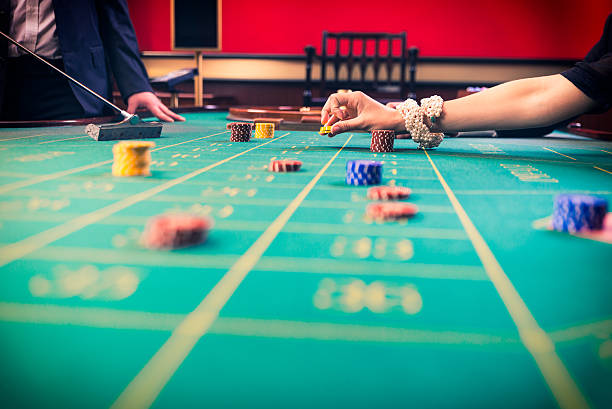
Nevertheless, it’s important to note that most casino games heavily favor the house, particularly those based purely on chance. While skilled players can gain an advantage, the reality remains that only a handful of players can consistently overcome the odds. Understanding when to rely on skill versus when to accept the randomness of luck is essential for maintaining a healthy perspective on casino gaming.
Winning Strategies: Myth or Reality?
The allure of winning strategies is one of the many enticements of casino gaming. Numerous strategies promise to help players beat the house, from progressive betting systems to card counting techniques. However, the reality is that while some strategies may provide short-term gains, they often falter over time due to the unyielding house edge. Players must approach these strategies with skepticism, as they frequently lead to losses rather than sustainable wins.
For example, the Martingale system, which advocates doubling bets after losses, may seem appealing. However, this strategy fails to account for table limits and can quickly lead to significant financial risks. Most strategies are built on the premise that past outcomes influence future results, which contradicts the nature of independent games like slots or roulette. Such misunderstandings can lead players down a path of financial loss, reinforcing the idea that while strategies exist, their effectiveness is routinely overstated.
Ultimately, understanding the limitations of various strategies is critical. Players should acknowledge that while they can enhance their enjoyment of casino games, these strategies are not foolproof solutions to overcome the house edge. Instead, a more consistent approach to gambling involves recognizing the inherent risks and developing a responsible mindset rather than focusing solely on winning strategies that may or may not deliver results.
The Psychological Aspect of Gambling
The psychological dimension of gambling cannot be overstated, as it heavily influences how players engage with games in a casino. The excitement and thrill of potential winnings can lead players to take risks they might not consider in other aspects of life. Moreover, the environment of a casino, designed to encourage play, can enhance this psychological impact, making it easy for individuals to lose track of time and money.
Understanding the psychology behind gambling can help players navigate their experiences with greater awareness. For instance, many players experience the ‘gambler’s fallacy,’ the illusion that past outcomes will affect future ones. This misconception can lead players to chase losses or believe they are due for a win after a series of losses. Such thinking can cloud judgment and lead to significant financial setbacks, showcasing the importance of maintaining a rational mindset during play.
Additionally, the idea of using certain psychological tactics, like setting limits or using self-control strategies, becomes pertinent. Establishing boundaries can help players avoid falling victim to the casino’s enticing atmosphere. By focusing on the enjoyment of the game rather than the potential for winning, players can create a healthier relationship with gambling and become more resilient in the face of losses.
Conclusion and Resources for Responsible Gambling
In conclusion, beating the house in a casino is an uphill battle conditioned by the statistical realities of the games and the inherent advantage enjoyed by casinos. While players who engage in skill-based games may enjoy some advantages, the overarching house edge still applies. Understanding this dynamic is essential for anyone considering stepping into a casino, as it sets realistic expectations for their gaming experience.
Moreover, the importance of adopting responsible gambling practices cannot be emphasized enough. Players should seek to enjoy gambling as a form of entertainment rather than a means of generating income. Being mindful of one’s mental and financial health while engaging in casino games will ensure that the experience remains fun and enjoyable without leading to negative consequences.
If you are looking for resources or support regarding responsible gambling, many organizations offer assistance. They provide tools, education, and help to ensure that your gaming experiences remain positive and within safe limits. Remember, the goal of gaming should always center around enjoyment, and understanding the nature of the house edge is a significant step towards achieving a balanced approach to gambling.
